Frequently Asked Questions
What are the benefits of self-ligating metal braces?
The benefits of self-ligating metal braces include reduced friction, shorter treatment times, and fewer appointments. These braces use a specialized clip system, allowing teeth to move more freely and comfortably, resulting in a more efficient orthodontic experience.
How do self-ligating brackets work?
Self-ligating brackets work by using a specialized clip to hold the archwire in place, eliminating the need for elastic ties. This design allows for easier adjustments, reduced friction, and often shorter treatment times compared to traditional braces.
What advantages do self-ligating braces offer?
The advantages of self-ligating braces include reduced friction, shorter treatment times, and fewer appointments. They also offer greater comfort and improved oral hygiene, making them a popular choice for effective orthodontic treatment.
How do self-ligating brackets differ from traditional ones?
Self-ligating brackets differ from traditional ones in that they use a specialized clip to hold the wire in place, eliminating the need for elastic or metal ties. This design reduces friction, leading to more efficient tooth movement and often shorter treatment times.
Are self-ligating braces more comfortable than regular braces?
Self-ligating braces are often more comfortable than regular braces. They use a specialized clip system that reduces friction and pressure on teeth, leading to a more pleasant treatment experience and fewer adjustments.
How often do I need adjustments with self-ligating braces?
Adjustments with self-ligating braces are typically needed every 6 to 10 weeks. This longer interval is due to the braces' design, which allows for more efficient tooth movement and reduces the frequency of visits compared to traditional braces.
How do I care for self-ligating braces?
Caring for self-ligating braces involves maintaining good oral hygiene by brushing twice daily and flossing regularly. Additionally, avoid hard or sticky foods that can damage the braces, and visit your orthodontist for regular check-ups to ensure proper alignment and care.
Are self-ligating braces suitable for all patients?
Self-ligating braces may not be suitable for all patients, as individual orthodontic needs vary. A consultation with our orthodontic team will help determine the best treatment option for your specific situation.
What is the process for getting self-ligating braces?
The process for getting self-ligating braces involves an initial consultation, where your orthodontist will assess your dental needs. Following this, a personalized treatment plan is created, and the braces are fitted during a subsequent appointment.
Can I eat normally with self-ligating braces?
Eating normally with self-ligating braces is possible, but it’s important to avoid hard, sticky, or chewy foods that could damage the braces. Soft foods are recommended, especially during the initial adjustment period.
What is the average treatment duration with self-ligating braces?
The average treatment duration with self-ligating braces typically ranges from 12 to 24 months, depending on individual orthodontic needs and treatment goals.
How do I find an Invisalign dentist nearby?
Finding an Invisalign dentist nearby involves searching online for orthodontic practices that offer Invisalign treatment, checking reviews, and asking for recommendations from friends or family. You can also visit the official Invisalign website to locate certified providers in your area.
What should I expect during an Invisalign consultation?
During an Invisalign consultation, you can expect a thorough examination of your teeth, a discussion of your orthodontic goals, and a personalized treatment plan that includes the use of clear aligners tailored to your needs.
Are there age restrictions for Invisalign treatment?
Age restrictions for Invisalign treatment are minimal; it is suitable for both teens and adults. However, a consultation with an orthodontist is essential to determine if a patient’s dental needs align with Invisalign's capabilities.
How often do I need to change Invisalign aligners?
The frequency of changing Invisalign aligners is typically every one to two weeks. This schedule allows for gradual teeth movement, ensuring effective treatment while following your orthodontist's specific recommendations.
How does the Invisalign treatment process work?
The Invisalign treatment process involves creating a custom treatment plan using 3D imaging technology, followed by a series of clear aligners that gradually shift your teeth into the desired position over time. Regular check-ins with your orthodontist ensure progress and adjustments as needed.
How can I maintain my Invisalign aligners?
Maintaining your Invisalign aligners involves regularly cleaning them with a soft toothbrush and mild soap, rinsing them before reinserting, and avoiding hot water to prevent warping. Additionally, store them in their case when not in use to keep them safe and hygienic.
How do I know if Im a candidate for Invisalign?
Determining if you're a candidate for Invisalign involves an assessment of your dental condition. A consultation with our orthodontic team at Paradigm Orthodontics will help evaluate your needs and suitability for this clear aligner treatment.
What makes the metal braces at Paradigm Orthodontics different from traditional braces?
The metal braces at Paradigm Orthodontics differ from traditional braces through their use of advanced materials and self-ligating technology, which enhance comfort, reduce treatment time, and improve aesthetics while providing effective alignment of teeth.
How do braces work?
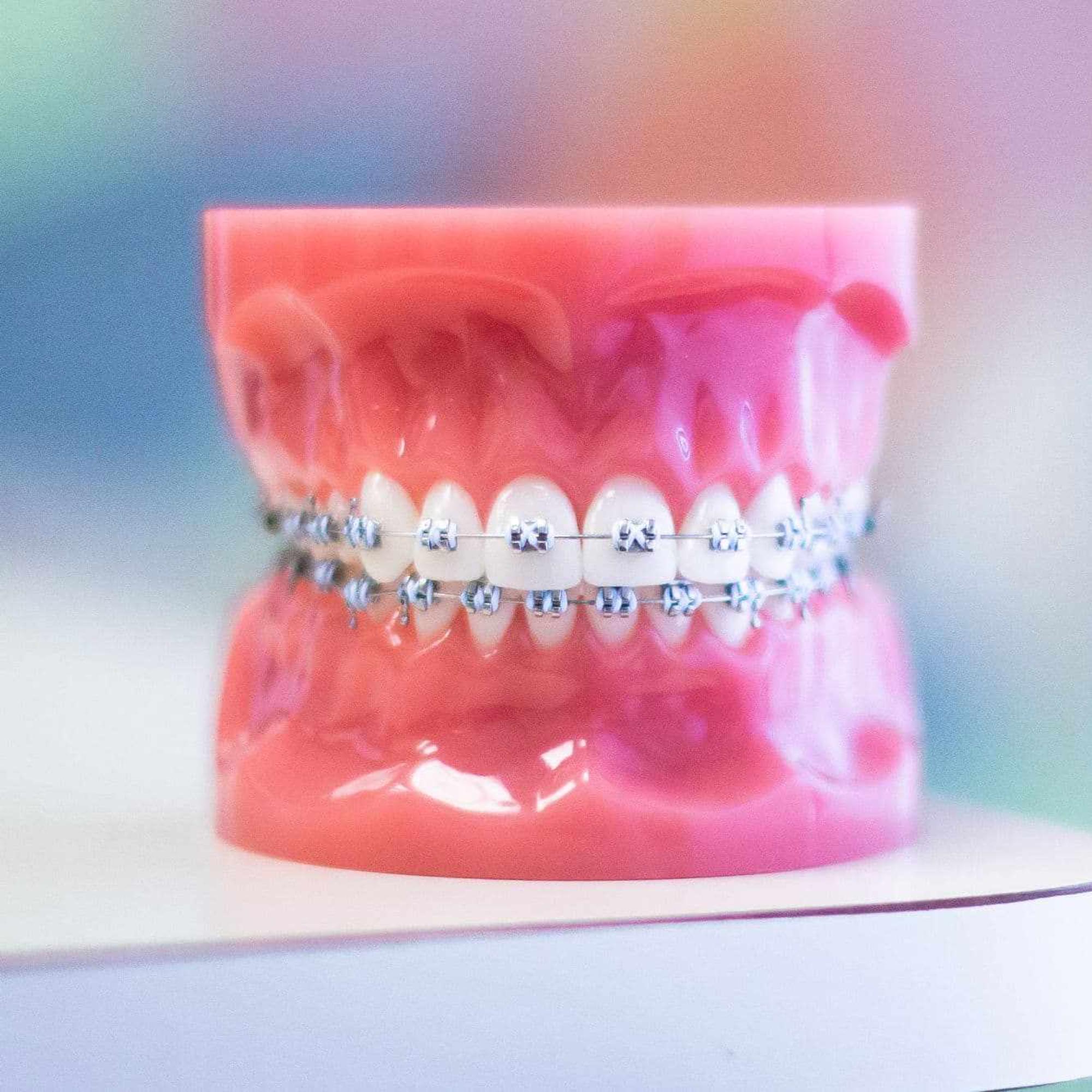
Braces work by applying gentle, constant pressure to the teeth, gradually moving them into the desired position. This process involves brackets, wires, and bands that work together to align the teeth effectively over time.
Who is a good candidate for metal braces?
Good candidates for metal braces include individuals with misaligned teeth, overcrowding, gaps, or bite issues. Both children and adults can benefit from this effective orthodontic treatment to achieve a straighter smile.
How long will I need to wear metal braces?
The duration for wearing metal braces typically ranges from 18 to 36 months, depending on individual treatment needs and goals. Your orthodontist will provide a more specific timeline during your consultation.
Will I notice improvements before my treatment is finished?
You may notice improvements in your smile even before your treatment is complete. Many patients experience gradual changes as their teeth shift into the desired position throughout the course of wearing metal braces.
Are metal braces comfortable to wear day to day?
Metal braces are generally comfortable to wear on a day-to-day basis. While some initial soreness may occur after adjustments, most patients quickly adapt and find them manageable for everyday activities.
How difficult is it to keep my teeth clean with metal braces?
Keeping your teeth clean with metal braces can be challenging. However, with proper brushing techniques and the use of special cleaning tools, maintaining oral hygiene is manageable and essential for a successful treatment.
Will metal braces take longer than other treatments?
Metal braces may not necessarily take longer than other treatments, as the duration of orthodontic care depends more on individual cases and the complexity of the alignment needed rather than the type of braces used.
Are metal braces a cost-effective option?
Metal braces are a cost-effective option for orthodontic treatment. They typically have a lower initial cost compared to other types of braces, making them accessible for many patients while providing effective results in aligning teeth.
How do I get started with metal braces at Paradigm Orthodontics in Halifax?
Paradigm Orthodontics offers a free consultation at their Halifax office located at 1535 Dresden Row, Suite 211. You can book online or call (902) 406-2406. A virtual consultation option is also available.